Deadlock in US-Iran talks could push oil past $120, trigger regional war
While lauding Pakistan's swift diplomacy in securing the ceasefire and bringing the United States and Iran to the negotiating table, speakers at a panel discussion warned that intense domestic political pressures in Washington and Tehran threaten to stall a final peace deal. A failure to reach an agreement, they cautioned, could ignite a broader regional conflagration and push global crude oil prices beyond $120 per barrel.
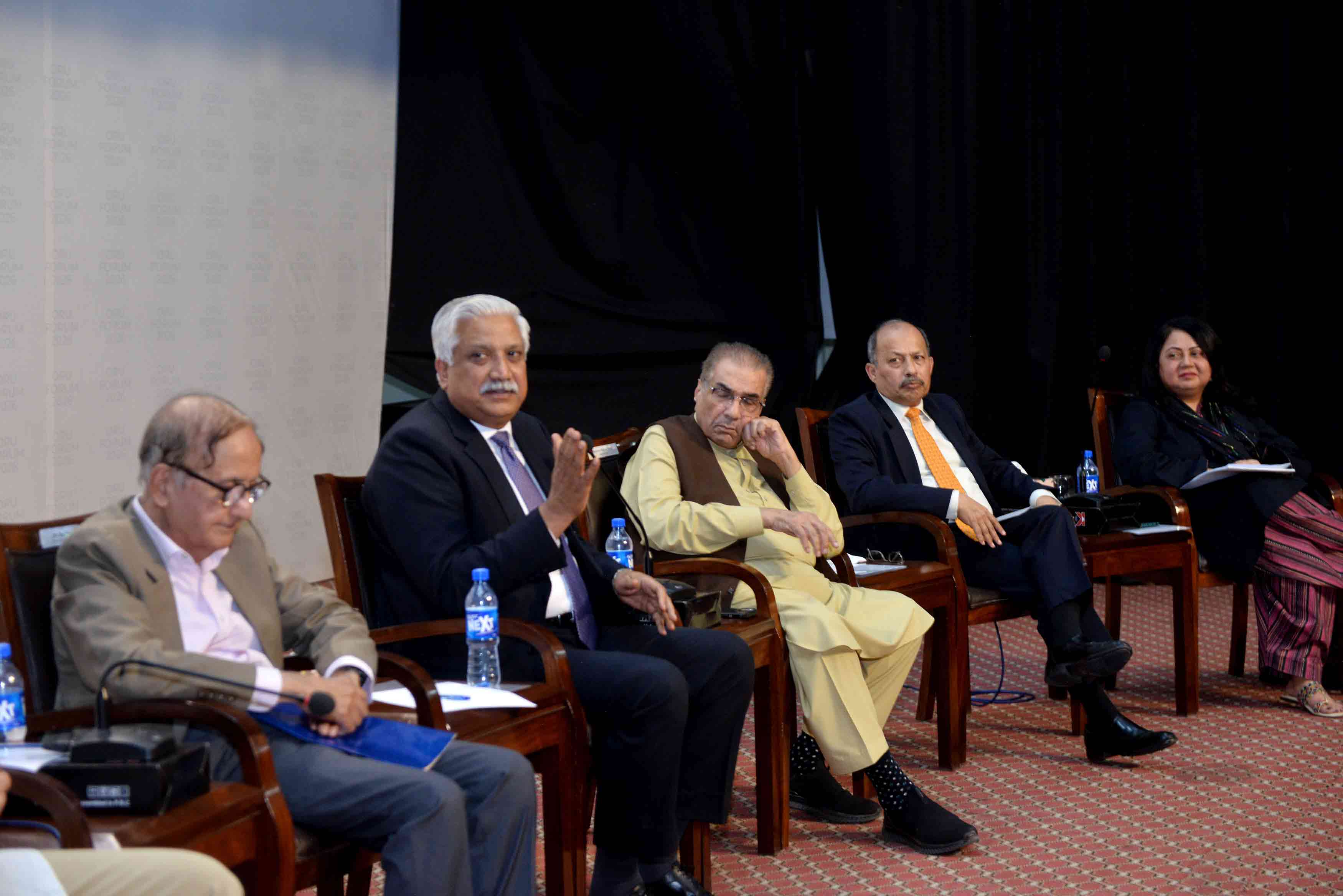
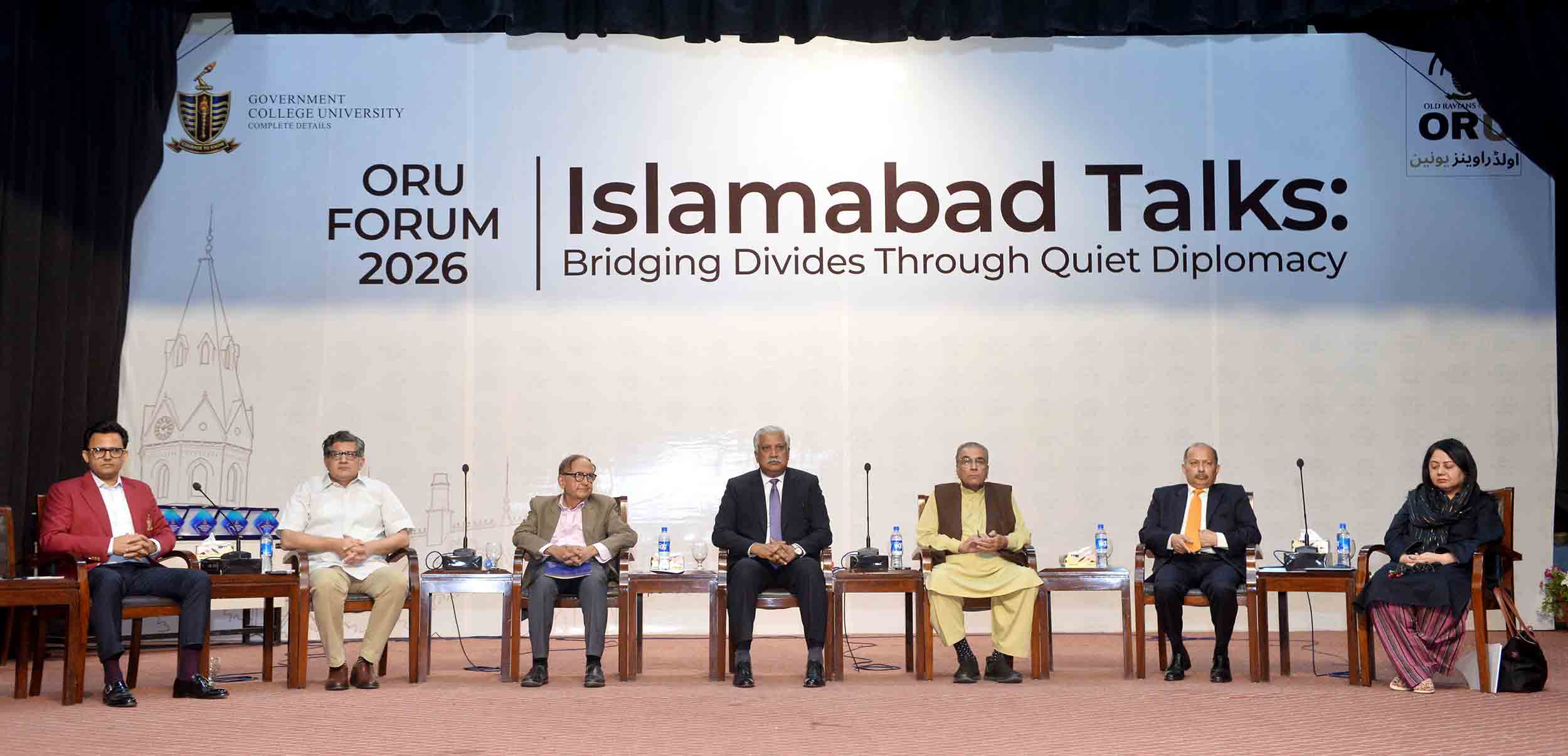
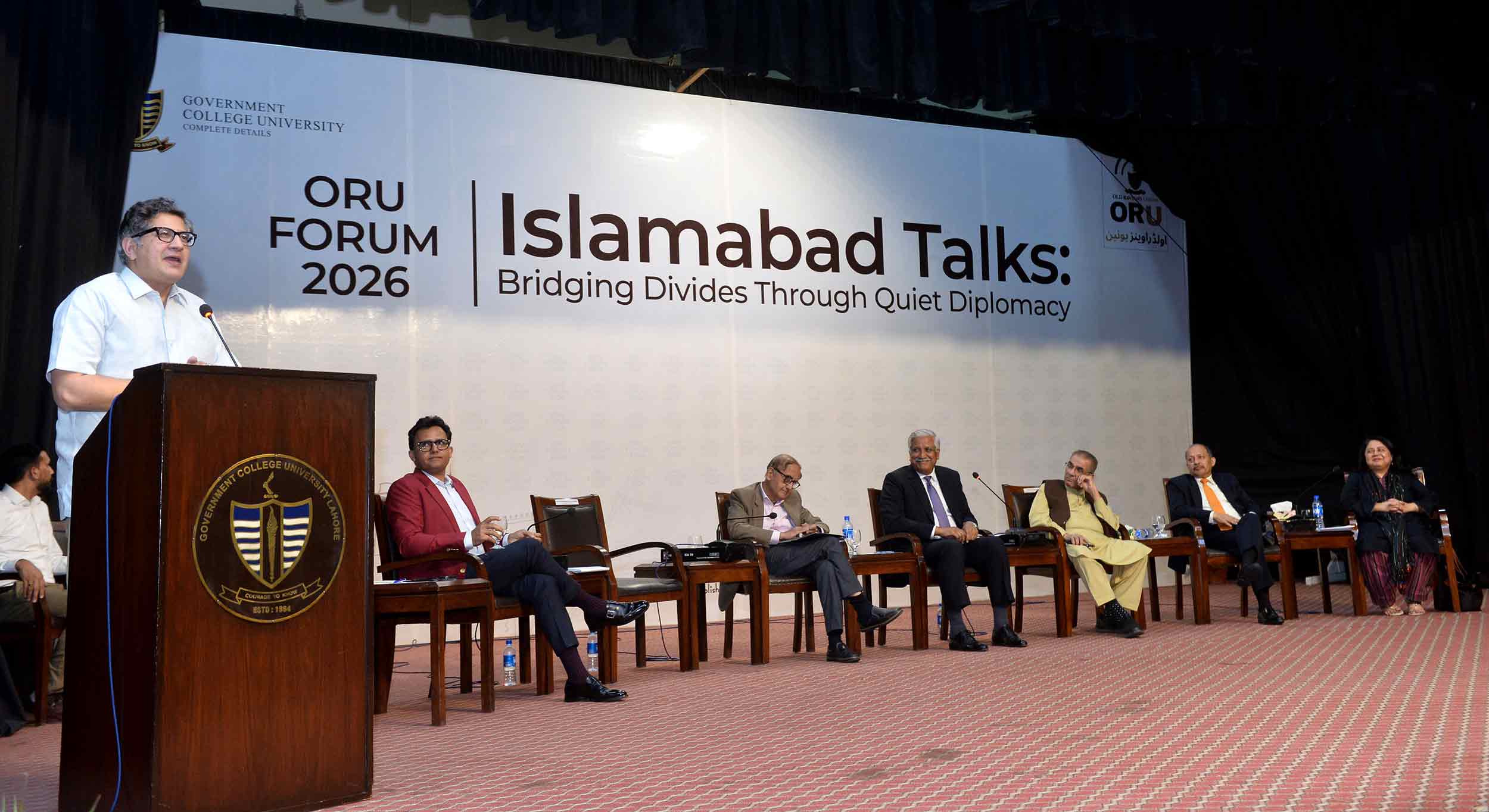
The panel discussion, titled "Islamabad Talks: Bridging Divides Through Quiet Diplomacy," was hosted by the Old Ravians Union (ORU) at Government College University (GCU), Lahore, to discuss Islamabad's proactive interventions during the recent US-Iran-Israel conflict. The event brought together veteran journalists, former military personnel, and diplomats. ORU President Athar Ismail moderated the discussion, which was also addressed by Vice Chancellor Prof Dr Muhammad Omer Chaudhry and Dr Asma Ul Husna Faiz, a political scientist at LUMS.
Former ambassador Mansoor Ahmed Khan observed that severe global polarisation had eroded the credibility of traditional brokers like the European Union and NATO. In this vacuum, Pakistan’s civil and military leadership stepped up, leveraging high-profile diplomacy to unite key international stakeholders. He revealed that a proposal by Tehran to separate the reopening of the Strait of Hormuz from long-term nuclear negotiations is currently gaining traction and is being actively debated by the US National Security Council.
Mr Khan noted that the conflict has altered regional power dynamics, leaving Israel politically isolated while positioning Iran as a resilient player. A new regional security architecture involving Pakistan, Saudi Arabia, Turkiye, Egypt, Indonesia, and China is imminent, he stated, though he cautioned that Islamabad's peace initiatives face direct opposition and coordinated disinformation campaigns from India.
Senior journalist Mujeeb-ur-Rehman Shami lauded Pakistan’s aggressive diplomacy, noting that the country's leadership did not wait for an invitation but proactively stepped into the conflict. Highlighting a looming disaster for the Iranian energy sector, he warned that the US blockade has pushed Iran’s oil storage to a saturation point. The forced closure of oil wells would be an irreversible setback for Tehran, creating a dangerous deadlock between its leverage over the Strait of Hormuz and Washington's economic pressure.
Turning to domestic affairs, Mr Shami urged the government to show the same resolve at home, stressing that national stability is essential to maintaining this newfound international credibility.
Highlighting the unprecedented speed of the mediation, General (retd) Muhammad Saeed pointed out that while talks took years to initiate in Vietnam and Afghanistan, Pakistan facilitated direct US-Iran engagement shortly after the April 8 proposal. Gen (retd) Saeed noted that the Trump administration cannot resume kinetic warfare due to steep domestic political costs, while Iran cannot sustain the economic burden of a prolonged conflict.
With both sides stepping back from aggressive media rhetoric, he predicted a high probability of secondary, fast-tracked talks returning to Islamabad. He also observed that neither the IAEA nor US intelligence had officially claimed Iran was pursuing a nuclear weapon, indicating alternative motivations for the war.
Political scientist and former caretaker chief minister Dr Hasan Askari Rizvi attributed this diplomatic success to Pakistan’s non-partisan diplomacy and the immense global credibility it secured following the decisive four-day May 2025 War between India and Pakistan. This balanced approach, condemning attacks on Iran while simultaneously criticising Iranian drone strikes on Gulf states, earned Islamabad the crucial trust of Washington and Tehran, he explained.
Dr Rizvi further outlined five critical hurdles currently stalling the negotiations, noting that the desperate need for both leaderships to project a "win" to their respective domestic populations has severely restricted their diplomatic flexibility. These sticking points, he explained, include the securement of free navigation through the Strait of Hormuz, navigating the highly polarised nuclear dispute, and the lifting of UN and US sanctions, as well as the unfreezing of Iranian assets held in Western banks and addressing Tehran's demands for war compensation.
Terming the hostilities a modern "non-contact war," Dr Rizvi warned that deep economic interdependence means localised conflicts now send shockwaves as far as Latin America. He stressed that in this era of tech-driven warfare, universities and research institutions must become the foundational pillars of national security.
Dr Asma Faiz remarked that managing the US-Iran rivalry while maintaining strategic autonomy was a complex feat that has solidified Islamabad’s standing as a credible regional arbiter.
Endorsing this academic imperative, Vice Chancellor Prof Omer Chaudhry described the Middle East crisis as a full-scale economic war disrupting international trade. Reclaiming the university’s status as a premier hub for policy debate, he praised ORU President Athar Ismail for transforming the union from a social club into a powerful forum for national diplomacy.
The panel discussion was followed by a question-answer session.